01The Curse I & II
Alexander Gabriel ZoderoT · independent original
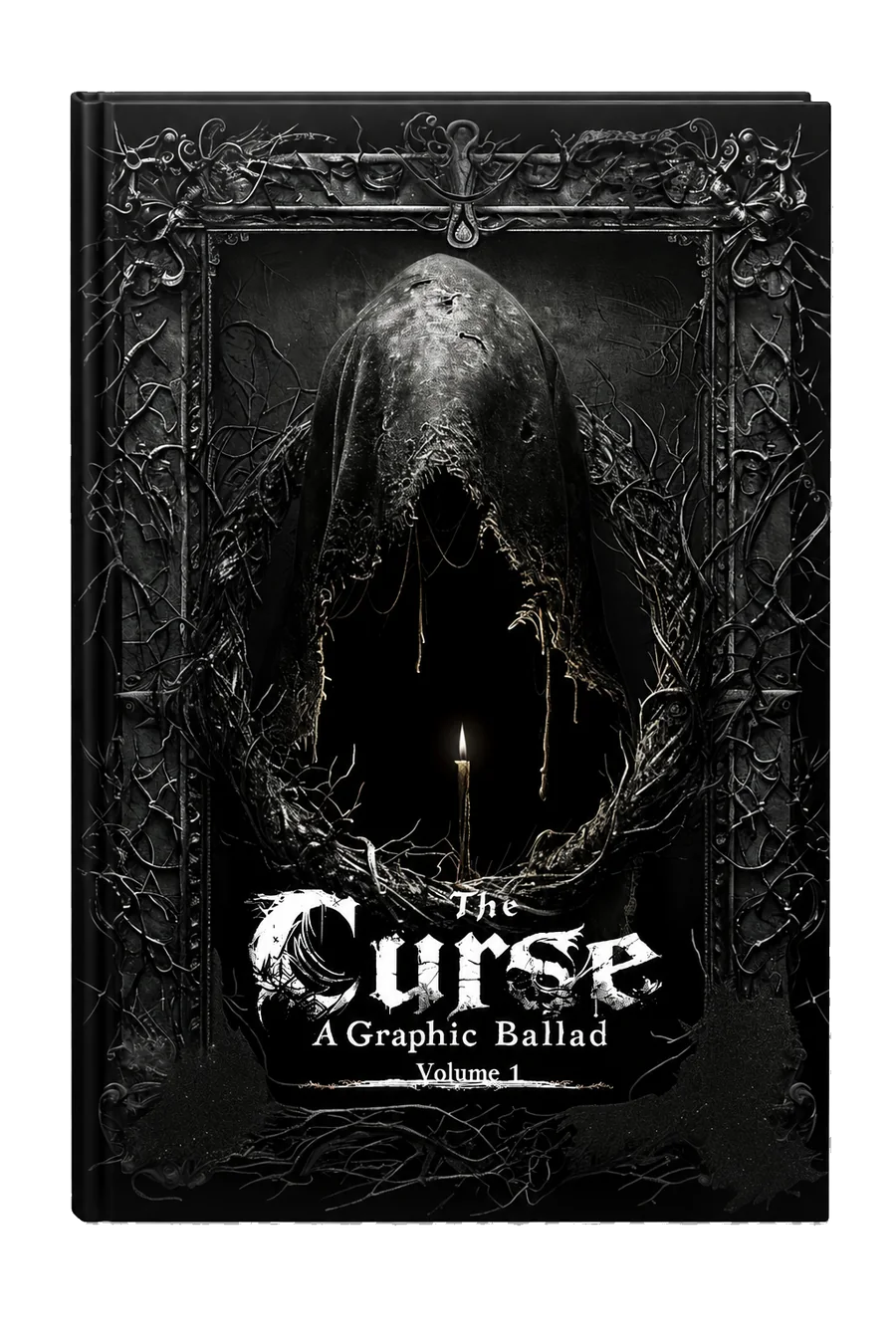
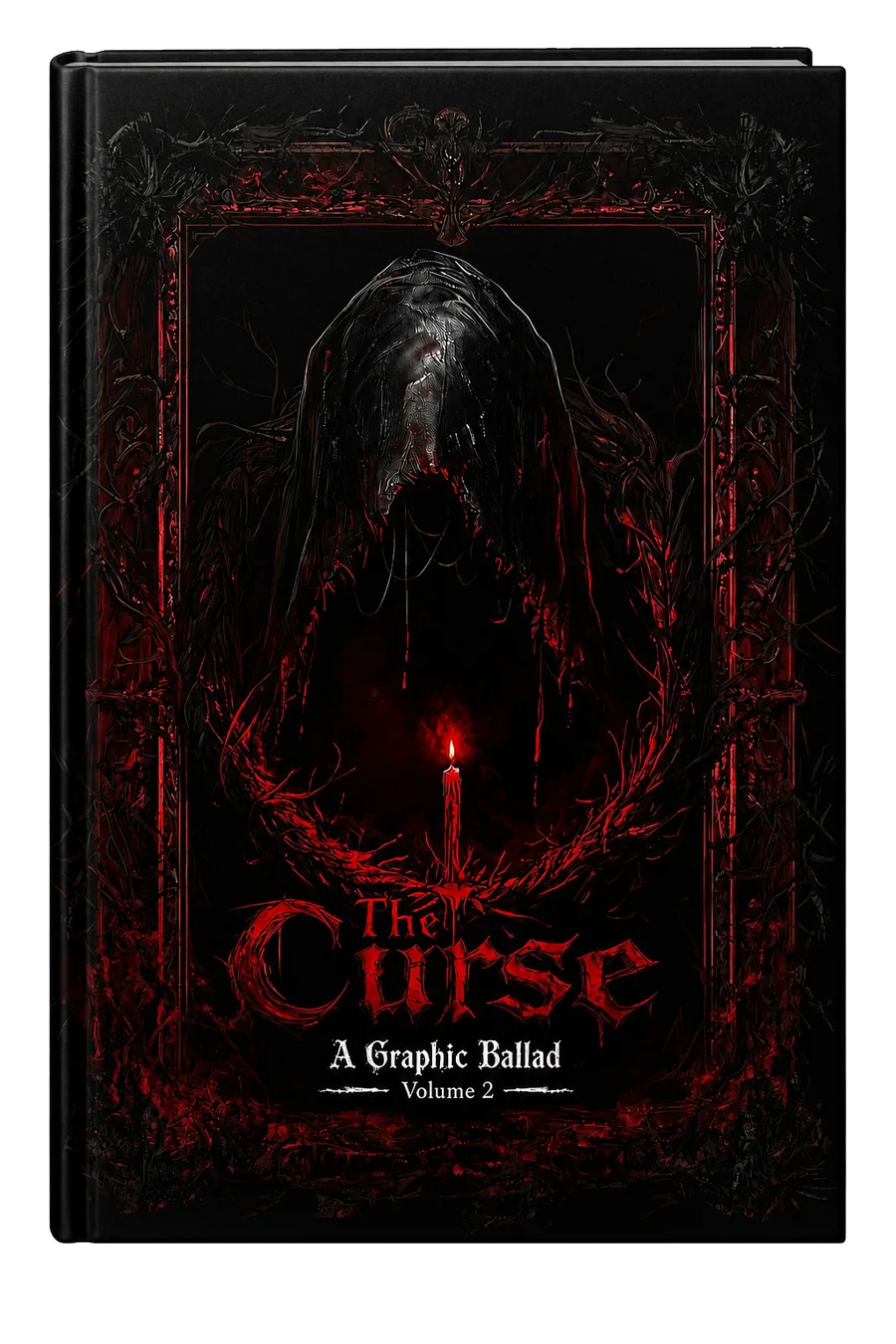
The Curse makes darkness intimate: grief, betrayal, vengeance, and spiritual metamorphosis are carried by recurring symbols and pages that alternate between sequential action and full-image stillness. Choose Volume I when you want a gothic descent whose violence leaves an inward consequence; continue to Volume II when mourning begins to transform the person carrying it. Both are graphic novels presented in the poetic rhythm of a graphic ballad.
Read The Curse sample pages →
02Mukteśa: The Lord of Wind
Alexander Gabriel ZoderoT · independent original
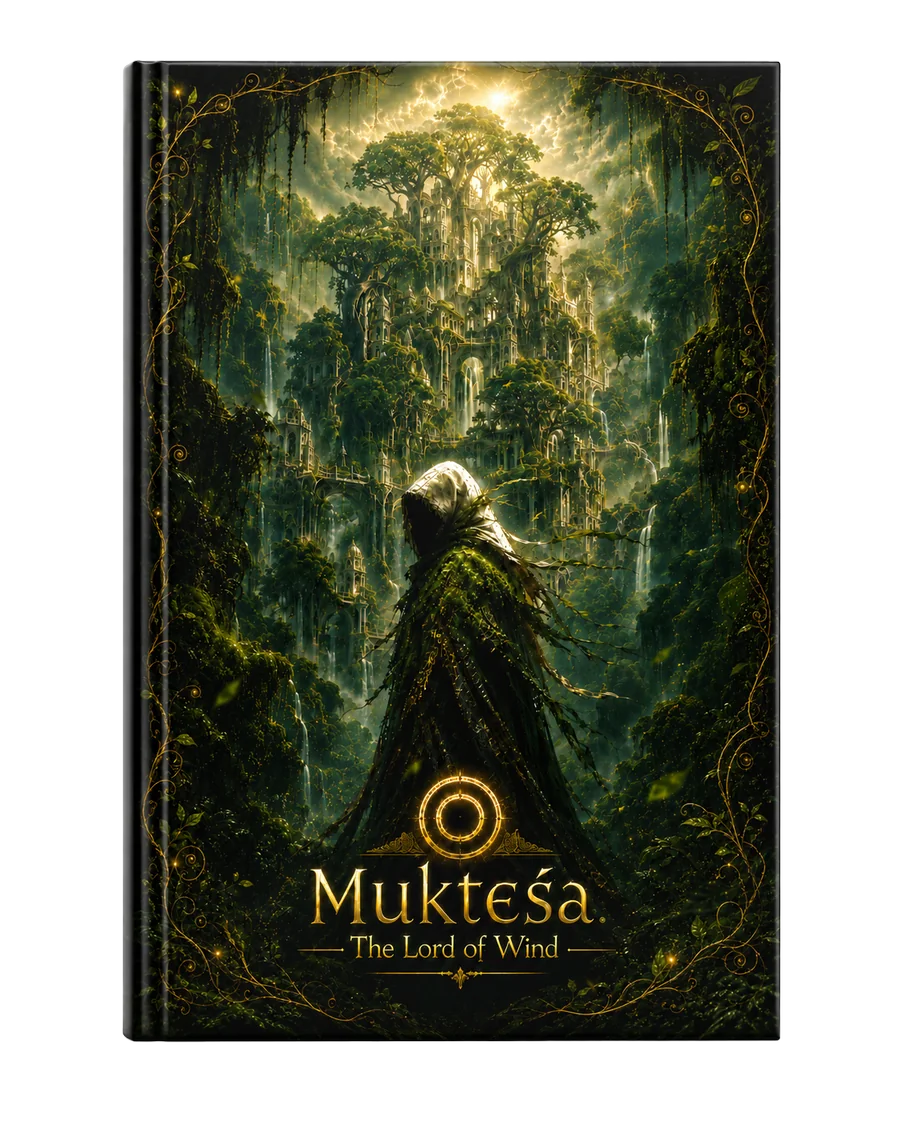
Mukteśa approaches darkness through refusal rather than surrender. Its wide, cinematic pages follow an exiled heir born into a legacy of power who must decide whether inheritance is destiny. Choose it for spiritual fantasy, found family, and a self-contained story in which freedom is not won by becoming stronger than the darkness, but by declining its terms.
Read the 41-page Mukteśa sample →
03Chronicles of Bubhutśātsu: Awakening
Alexander Gabriel ZoderoT · independent original
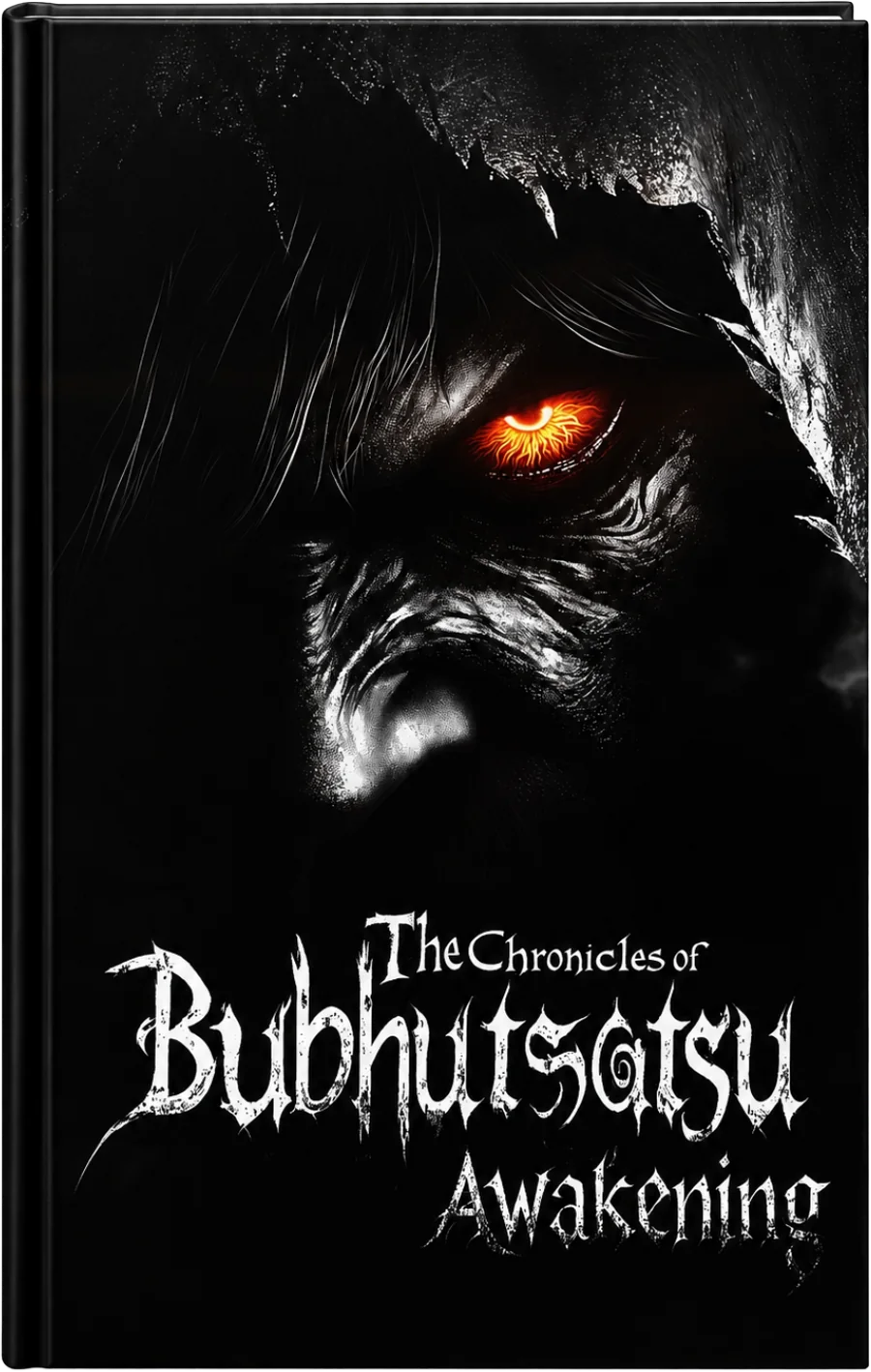
Awakening explores darkness as prophecy corrupted from within. Forbidden knowledge, spiritual ambition, and the making of a future antagonist give the story its pressure. Choose it when you want mythological fantasy whose central question is not whether power can be reached, but what a seeker becomes while reaching for it.
Read Chronicles sample pages →
04Berserk Deluxe Volume 1
Kentaro Miura
Berserk is the clearest choice when scale and consequence must be inseparable. Miura's pages can move from military momentum to grotesque supernatural pressure without treating suffering as disposable scenery. The series is extremely violent and contains sexual violence, so its reputation should never replace an informed content decision. Begin with Deluxe Volume 1 if you want the oversized art and are prepared for a long, severe journey.
Official edition details →
05Monstress, Vol. 1: Awakening
Marjorie Liu · Sana Takeda
Sana Takeda's ornate visual language makes beauty feel dangerous, never comforting. The world is marked by war, racial hatred, exploitation, and a power inside Maika Halfwolf that may be weapon, inheritance, or devourer. Choose Monstress when you want to remain inside visual density and political history. It asks for attention, but that attention is rewarded by a world whose decoration never feels merely decorative.
Official publisher page →
06Hellboy Omnibus Volume 1
Mike Mignola and collaborators
Hellboy demonstrates how little a page may need when shape, shadow, and silence are disciplined. Folklore, occult history, pulp adventure, and melancholy gather around a hero whose origin appears to dictate an ending he would rather refuse. Choose it for visual economy and modular mythology: individual encounters satisfy, while the larger architecture accumulates slowly beneath them.
Official edition details →
07The Sandman Book One
Neil Gaiman and its artists
The Sandman is less a single visual mood than a changing house built by many artistic hands. Dream, horror, myth, history, and the authority of stories fold into one another. Begin here when the attraction is literary architecture over continuous action. Its darkness often arrives through idea and implication: what stories demand, what immortality erodes, and what a being owes to the role that defines him.
Official publisher page →
08Lucifer Book One
Mike Carey · Peter Gross and collaborators
Mike Carey's Lucifer makes metaphysical rebellion colder and more exact. Freedom, will, creation, and responsibility matter as much as supernatural spectacle. Choose it when you enjoy theological argument conducted through cosmic fantasy and characters who would rather remake existence than accept the terms placed upon them. It is a long journey, but Book One establishes its intellectual temperature clearly.
Official publisher page →
09Kill Six Billion Demons, Book 1
Tom Parkinson-Morgan
A seemingly ordinary woman is thrust into Throne, a city at the center of a violent multiverse ruled by seven demiurges. The artwork grows increasingly maximalist, but the spectacle is anchored by questions of power, struggle, identity, and spiritual discipline. Choose this when you want religious texts, impossible architecture, martial cosmology, and a heroine who must learn that inheriting power is not the same as understanding it.
Official publisher page →
10DIE, Vol. 1: Fantasy Heartbreaker
Kieron Gillen · Stephanie Hans
A group of teenage role-players disappeared into another world and returned damaged. Decades later, the surviving adults are forced back. Stephanie Hans gives the fantasy realm a painterly beauty that never lets nostalgia become safe. Choose DIE when you want adult characters confronting the cost of escapism, the stories they used to survive, and the person who never escaped with them.
Official publisher page →
11The Last God: Book I
Phillip Kennedy Johnson · Riccardo Federici
A celebrated fellowship supposedly killed the last living god and saved the world. Thirty years later, the dead return and the heroic account begins to fracture. Riccardo Federici's work gives the horror monumental physical weight. Choose this collected epic when you want high fantasy corrupted by historical lies, generational consequence, diseased divinity, and a world whose old victory may have been its first catastrophe.
Official publisher page →
12Harrow County Library Edition 1
Cullen Bunn · Tyler Crook
Emmy has always known that the woods around her home contain ghosts and monsters. On the eve of adulthood, she discovers that her connection to them is more intimate than fear. Tyler Crook's watercolor art makes the rural landscape feel damp, breathing, and morally uncertain. Choose Harrow County for folk horror, inherited identity, and darkness that grows from the land instead of descending from a distant cosmic realm.
Official publisher page →