Myth, Pilgrimage, Transformation

Spiritual Fantasy Books

Spiritual fantasy books turn an inward question into a lived journey. The traveler crosses a ruined land, a dream-world, a monastery, or a mountain, yet the real distance is measured inside the self. These stories are not sermons wearing fantasy clothes. Their worlds, dangers, and symbols matter because the search for meaning has consequences.

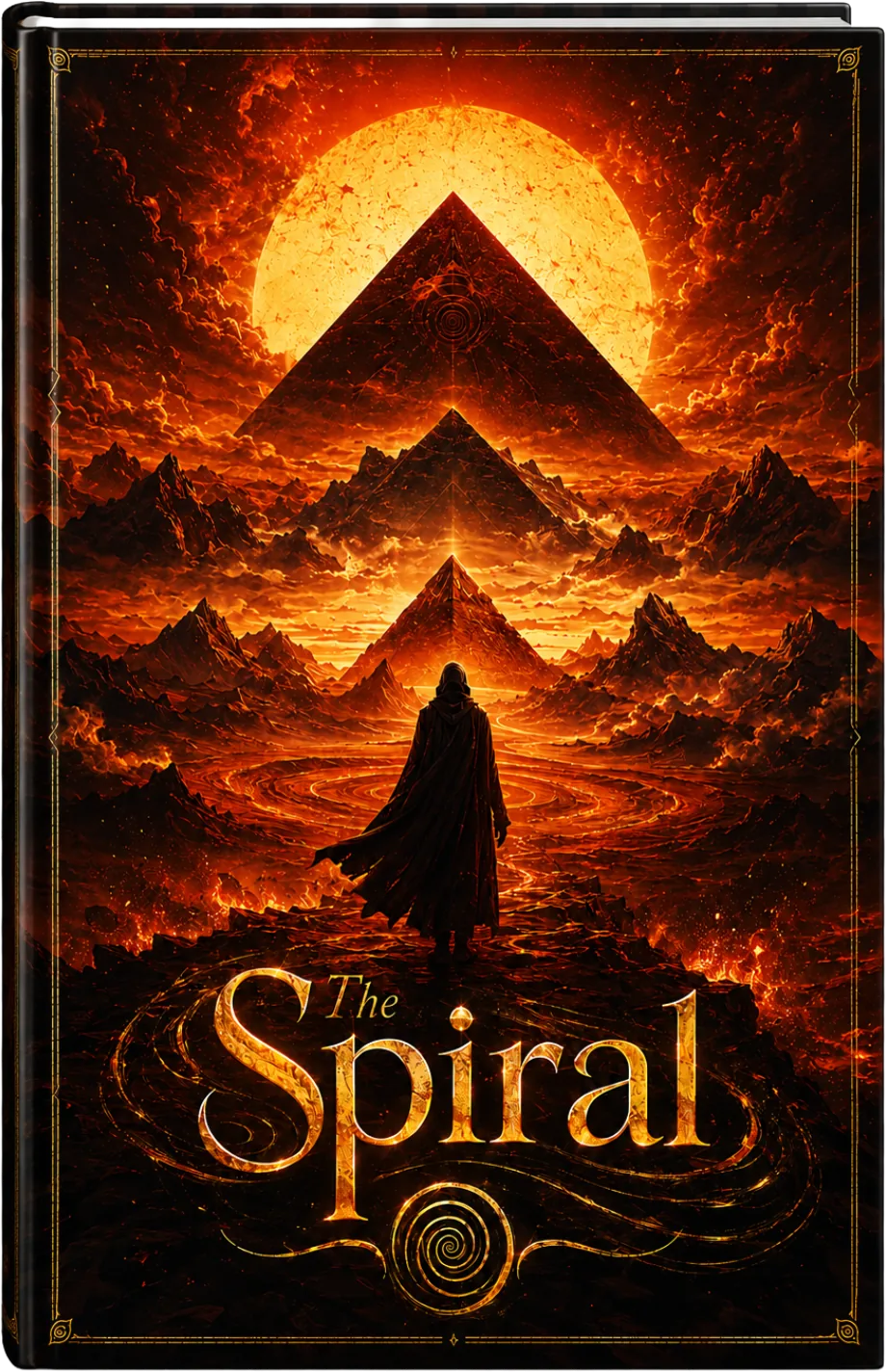
The Spiral spiritual fantasy book by Alexander Gabriel ZoderoT

A Door Into the Catalog

Begin With The Spiral

A mythic spiritual fantasy pilgrimage through dreams, trials, memory, light, and shadow.

Explore the Books

What Makes a Fantasy Book Spiritual?

A spiritual fantasy novel does not become spiritual merely because it borrows the name of a god, places a monk in a temple, or sends a hero after a sacred artifact. The deeper test is whether the outer journey changes the meaning of the inner one. Does the road expose attachment? Does power reveal the shape of fear? Does loss force the traveler to ask who remains when familiar identities fall away?

The strongest books in this tradition use fantasy as a language for questions that ordinary realism can approach only from another direction. A mountain can become discipline made visible. A recurring dream can become the memory of a life not yet understood. A ruined kingdom can become an image of the mind after certainty has collapsed.

The Path of None as a Spiritual Fantasy Journey

The Curse I, The Spiral, and The Ascent are connected by a seeker who moves through radically different lives and worlds. The series treats reincarnation as more than a plot device. Memory returns in fragments; the same spiritual pressure appears in new forms; each life reveals another layer of the road.

The Curse I begins with grief, vengeance, and awakening in compressed graphic-ballad form. The Spiral widens the world into a pilgrimage through dreams, inner storms, light and shadow, trial and remembrance. The Ascent turns upward toward Mahapatha, the eternal sky-mountain, where the climb tests body, mind, spirit, pride, fear, and the idea of the separate self.

Pilgrimage Is More Than Travel

A pilgrimage story begins when movement acquires moral and spiritual weight. The traveler may leave home, but distance alone changes nothing. The road matters because it strips away the habits that protect a person from seeing clearly. Comfort disappears. Certainty weakens. The seeker must continue without being able to reduce the path to a simple promise of reward.

That is why The Spiral is a natural starting point for readers drawn to pilgrimage. Its road unfolds across layers of reality and across the seeker's changing awareness. The movement is cosmic, but it remains intimate: the larger the world becomes, the more urgently the traveler must ask what he carries within it.

The Mountain as an Inner Trial

The Ascent takes a different route. Its Mahapatha is a physical sky-mountain and an inner one. The monastery at its foot prepares seekers through discipline, knowledge, and spiritual attention, yet no master can complete the climb for another person. Guidance can point. Practice can prepare. The decisive movement still belongs to the seeker.

That distinction appears across spiritual traditions without making the novel a manual for any one of them. Buddhism examines attachment and the illusion of a fixed self. Hindu philosophy asks how action, duty, and identity relate beneath the surface of appearances. Mystical writing returns again and again to the gap between knowledge about a path and the transformation required to walk it.

Companion Books for the Inward Road

Readers exploring spiritual fantasy should not limit themselves to one shelf label. Siddhartha by Hermann Hesse remains a foundational pilgrimage even though it is not fantasy. A Wizard of Earthsea by Ursula K. Le Guin turns pride, shadow, and responsibility into a precise fantasy journey.

Piranesi by Susanna Clarke offers solitude, mystery, memory, and attention inside an architectural dream. The Buried Giant by Kazuo Ishiguro approaches love, memory, and forgetting on a quieter, morally uncertain road.

These books do not speak in one voice. That is precisely their value. Each reveals a different way an outer landscape can press against an inner question.

Where to Begin

Choose The Spiral if you want the widest pilgrimage: dreams, worlds, trials, cosmic conflict, memory, and the feeling that the path reveals itself while it is walked. Choose The Ascent if you want the stricter vertical road: a monastery, a sky-mountain, a company of seekers, and the recognition that the obstacle outside reflects an obstacle within.

Choose The Curse I if you want the darker first door into the series: an illustrated descent where grief and vengeance become the first pressure of transformation. For a direct reading sequence, follow The Path of None reading order.

Different Traditions, Different Questions

Spiritual fantasy becomes shallow when every tradition is blended into a single vague message about finding oneself. The deeper approach keeps distinctions alive. Buddhist teachings ask how attachment, impermanence, suffering, and the idea of a fixed self shape experience. Hindu philosophy opens questions of dharma, action, identity, appearance, and liberation. Christian mystical traditions return to surrender, grace, and transformation through suffering. Sufi traditions approach the refinement of the heart through divine love. Taoist thought questions the will that tries to force a path into submission.

A fantasy novel does not need to become a textbook in order to respect these differences. Its task is different: to create a lived symbolic field. A traveler faces the cost of clinging. A warrior discovers that victory cannot settle the mind. A climber learns that discipline and humility cannot be separated. A dream refuses to become only a dream.

What Kind of Spiritual Fantasy Are You Seeking?

Some readers want a quiet contemplative book. Others want the questions to arrive through monsters, storms, grief, and impossible landscapes. Neither route is inherently more serious. What matters is whether the book allows transformation to remain difficult.

For a wider reading path beyond the catalog, open Fantasy Books About Enlightenment, Pilgrimage, and the Inner Path. If the darker pressure matters more, continue to dark spiritual fantasy. If the illustrated form is the reason you are here, explore spiritual graphic novels.

New to The Path of None? Begin with The Curse I, read sample pages, or follow the complete reading order.