Paths of the Enlightened

Spiritual Graphic Novels

Spiritual graphic novels can make an inward teaching visible without reducing it to a slogan. An image slows the reader down. A life story gives an idea a human shape. A page can hold silence, reverence, paradox, and the difficult recognition that wisdom is not the same as information.

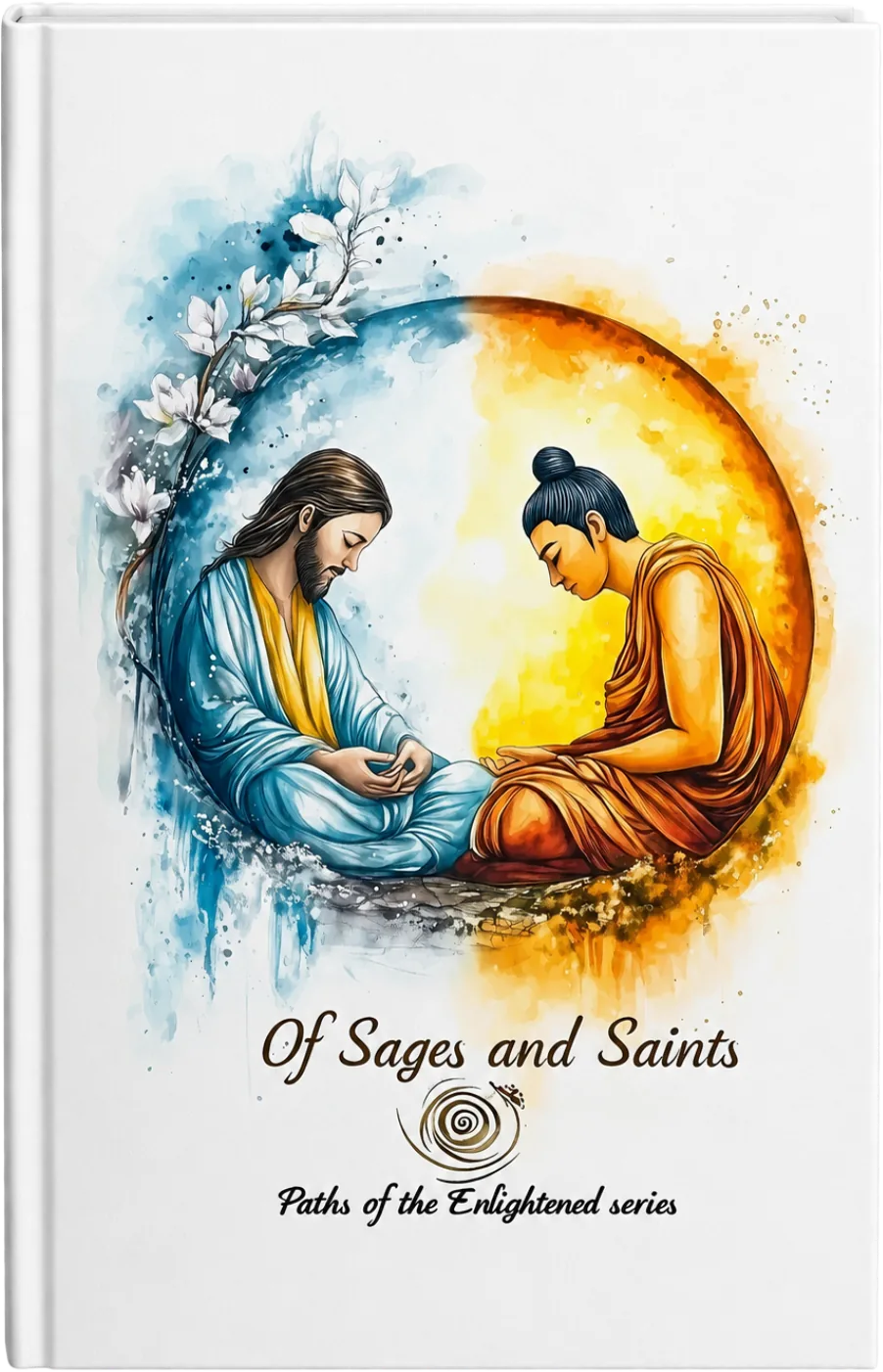
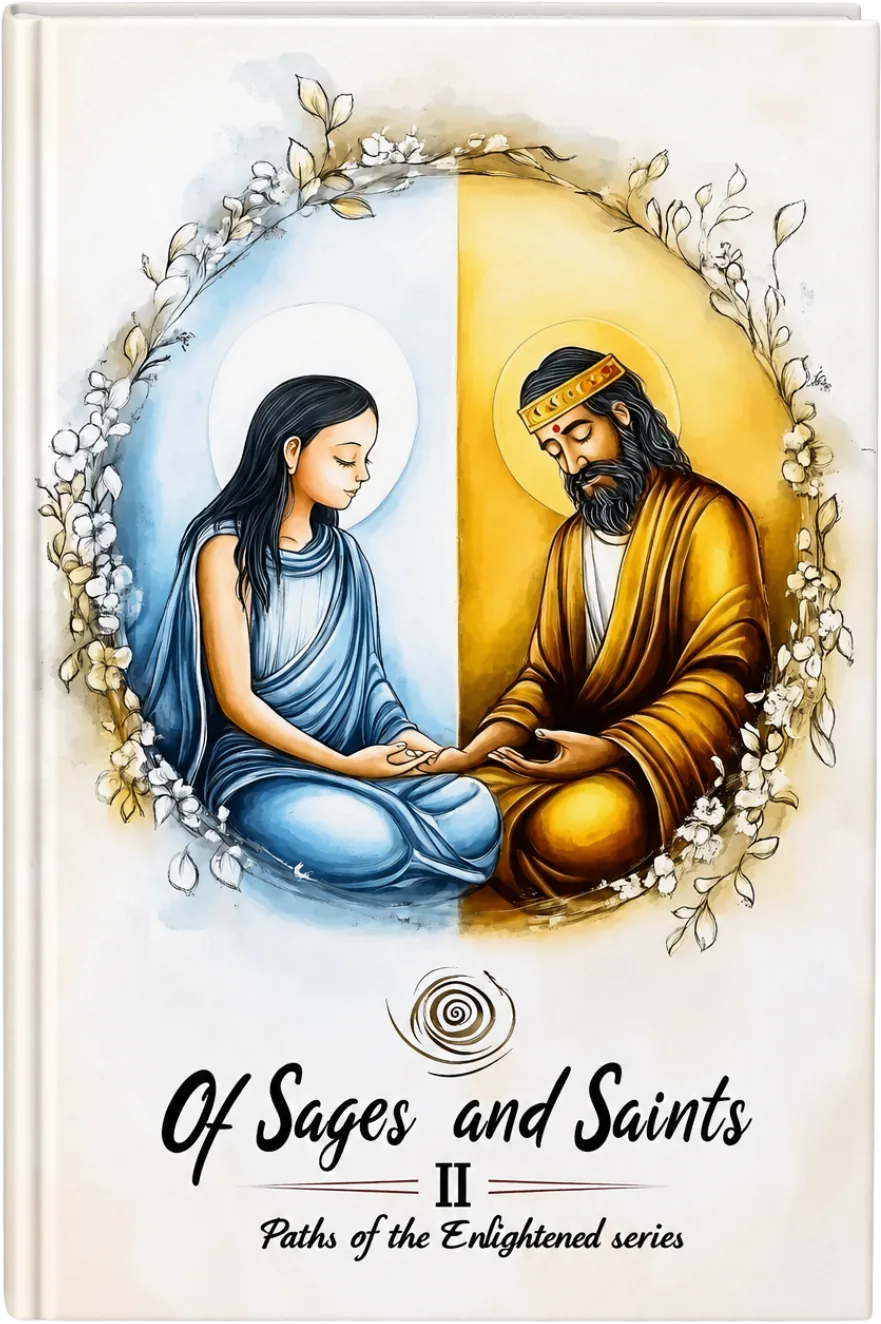
Of Sages and Saints spiritual graphic novelOf Sages and Saints II illustrated spiritual wisdom book

A Door Into the Catalog

Explore Paths of the Enlightened

Illustrated encounters with wisdom traditions, spiritual lives, and the inward path.

Explore the Books

What Makes a Graphic Novel Spiritual?

A spiritual graphic novel is not simply a comic with a saint, sage, monk, or temple inside it. The form becomes spiritual when it invites contemplation rather than consumption alone. Image and story create enough stillness for a question to remain open: what is the self, what causes suffering, what does liberation require, and how does a person live what they claim to understand?

Visual storytelling is especially suited to paradox. A single image can hold a contradiction without flattening it. Light can arrive through darkness. A path can lead inward while the figure visibly travels outward. A teacher can point toward an answer that cannot be handed from one person to another.

Of Sages and Saints

Of Sages and Saints I and II form the contemplative center of Paths of the Enlightened. These books gather illustrated encounters with sacred teachings and lives shaped by the search for truth. Their emotional weather is gentler than The Path of None, but the underlying concern is related: recognition, transformation, and the movement beyond a merely habitual self.

The books approach wisdom through reverence rather than through a demand that different traditions become identical. Christianity, Buddhism, Hindu philosophy, Islam and Sufi wisdom, and other paths carry distinct histories and vocabularies. The purpose of an illustrated encounter is not to erase those differences. It is to let a reader pause before the human hunger that makes the encounter possible.

From Teaching to Reflection

Information can be gathered quickly. Wisdom rarely works that way. Buddhist teachings on attachment, impermanence, and non-self require attention to lived experience. Hindu teachings on dharma and action without attachment ask how a person acts under pressure. Christian mystical traditions return to grace, surrender, and the transformation of suffering. Sufi traditions approach divine love as a path that refines the heart.

An illustrated page can become a small threshold into those questions. The image is not proof. It is not a shortcut. It is an invitation to remain with the teaching long enough for reflection to begin.

Companion Reading Beyond the Illustrated Page

Siddhartha by Hermann Hesse remains a natural companion because its pilgrimage is lived rather than reduced to doctrine. A Wizard of Earthsea by Ursula K. Le Guin gives shadow, pride, naming, and responsibility a remarkably clear fantasy shape.

Piranesi by Susanna Clarke is another useful neighbor: quiet attention, solitude, gratitude, memory, and the slow recovery of identity inside a world of halls and tides.

These books are prose-led rather than graphic novels. They belong here because illustrated spiritual storytelling grows stronger when it remains in conversation with deeper traditions of inward fiction.

A Gentler Door Beside the Darker Books

Readers who arrive through The Curse I, The Spiral, or The Ascent will recognize some of the same concerns in another form. The Path of None explores awakening through mythic conflict, grief, dream, trial, and the shadowed road. Paths of the Enlightened steps closer to the teachings themselves.

Neither route replaces the other. Some readers need the charged symbolic journey. Others want the quieter illustrated encounter with sages and saints. Many move between both.

Reverence Without Flattening the Traditions

Illustrated spiritual storytelling carries a responsibility. Sacred traditions should not become an interchangeable collection of exotic symbols. A Buddha, a Christian saint, a Hindu sage, and a Sufi mystic do not belong to one blurred system merely because each life can awaken reverence. Their teachings emerged from distinct histories, communities, practices, and vocabularies.

The shared human question is still worth approaching: how does a life change when truth is no longer merely an idea? An illustrated page can honor that question while leaving room for difference. It can invite attention without pretending to replace study or practice.

Two Doors Into Spiritual Visual Storytelling

Paths of the Enlightened is the direct contemplative door. Its pages move closer to teachings, sacred lives, and the stillness required for reflection. The Curse graphic ballads are the shadowed door. Their images move through grief, danger, symbolic darkness, and transformation.

Readers do not need to choose one door forever. The gentler page can prepare attention. The darker myth can reveal where attention breaks under pressure. Together they make the illustrated catalog broader without making it incoherent.

New to The Path of None? Begin with The Curse I, read sample pages, or follow the complete reading order.